
Be Still and Know: Why Stillness Terrifies Most Christians
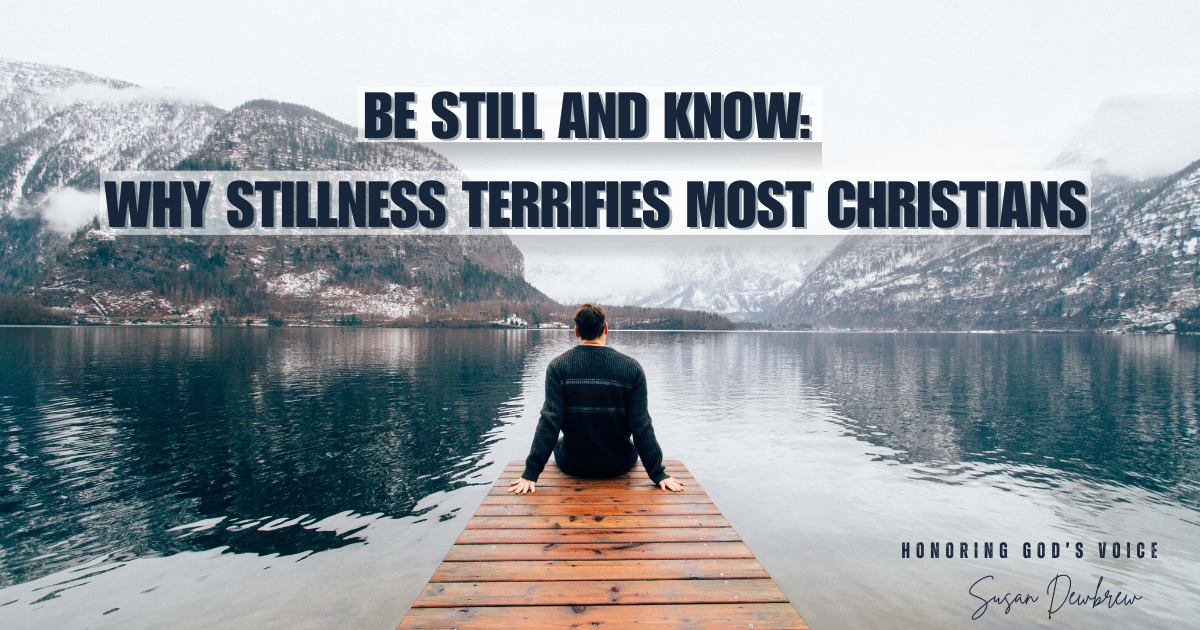
Most Christians have been taught to fear stillness. We're warned that if we become still, the enemy can get in. We're told that meditation and contemplative prayer are dangerous New Age practices that open doors to deception.
But here's the truth: stillness is a thoroughly biblical concept. And our fear of it reveals how deeply we've misunderstood both God's nature and His invitation to communion.
Stillness is Biblical, Not New Age
Psalm 46:10 commands us to "be still and know that I am God." This isn't a suggestion—it's a divine invitation. But when we read this verse in different translations, we get an even clearer picture:
Contemporary English Version: "Calm down"
New American Standard: "Cease striving"
The marginal reference says: "Let go, relax, be at peace and know that I am God"
New Age practices didn't invent stillness—they're counterfeiting something that belongs to us. Nobody counterfeits a three-dollar bill because there's no value in it. Don't throw out biblical practices just because someone else is misusing them.
Faith and Anxiety Cannot Coexist
Graham Cook says that faith and anxiety cannot take up the same space at the same time. One of them has to go, and you have the power to choose which one.
Paul teaches this in Philippians 4: "Don't worry about anything, but pray and ask God for everything you need, always giving thanks. And God's peace, which is so great we can't understand it, will keep your hearts and minds in Christ Jesus."
When we set our worries aside and take them to the Lord with thanksgiving, our hearts settle down. That's how we access stillness—not by emptying our minds, but by filling them with trust in God's goodness.
What Stillness Actually Means
Stillness isn't always about lack of physical activity. Stillness is actually a state of being—it's being at rest and at peace in your mind and heart, regardless of what your body is doing.
When I first started learning to hear God's voice, trying to sit completely still actually created anxiety for me. I wasn't used to that level of quiet. So I began practicing stillness while vacuuming, while driving, while taking a shower—during activities I could do without thinking because they'd become routine.
Those were the times I began to hear the Lord most clearly. Eventually, I learned how to be still without activity and feel His presence without becoming anxious.
Stillness as Practice, Not Perfection
Stillness is a practice, a habit that develops over time. Give yourself grace—you're not going to master it in one session. Just like you can't eat one bite of vegetables and be healthy, or go for one walk and be in great shape, stillness takes intentionality and purpose.
But here's the key: this isn't striving. There's no stillness in striving. You're not doing this for Him; you're doing it with Him. As you relax, you're inviting Him in and asking Him to help you learn this skill.
God wants intimacy with you. That's His whole point. As you develop this discipline—and yes, it's a discipline, though not the harsh kind we often imagine—you're simply creating space for the communion He's always desired.
Practical Steps to Stillness
Here are a few simple ways to begin developing stillness:
Remove distractions: Get away from phones, TV, noise. It won't hurt anyone if you take a few minutes of quiet.
Release physical tension: You don't have to be in some religious position. David sat before the Lord. Be comfortable.
Focus on Him, not circumstances: Don't look at the size of your giants; look at the size of your God. Worship helps wash away the cares of the world.
Write down distracting thoughts: If your mind starts reminding you of everything you need to do, make a note. Your mind will settle down knowing you won't forget.
Be present: Don't dwell on the past or worry about the future. He is the I AM—not the I Was or the I Will Be.
The Fear Behind the Fear
The real reason stillness terrifies many Christians isn't theological—it's practical. We're addicted to noise, activity, and constant stimulation. The idea of being alone with our thoughts, alone with God, feels uncomfortable because we've lost the ability to simply be.
But this is exactly what our souls crave. This is where intimacy with God happens. This is where we move from knowing about God to actually knowing God.
Jesus regularly withdrew to quiet places to pray. If the Son of God needed stillness to maintain His connection with the Father, how much more do we need it?
An Invitation, Not Intimidation
Stillness isn't about perfecting a technique or achieving some mystical state. It's simply accepting God's invitation: "Come to me, all you who are weary and burdened, and I will give you rest."
He's not asking you to empty your mind—He's asking you to fill your heart with trust in His goodness. He's not inviting you into blankness—He's inviting you into His presence.
Be still and know that He is God. Let go, relax, be at peace, and discover that the One you've been frantically seeking has been quietly waiting for you all along.
If you're ready to learn practical ways to develop biblical stillness and create space to hear God's voice more clearly, there are resources available to help you on this journey.
Blessings,
Susan Dewbrew