
The Corruption of the Called
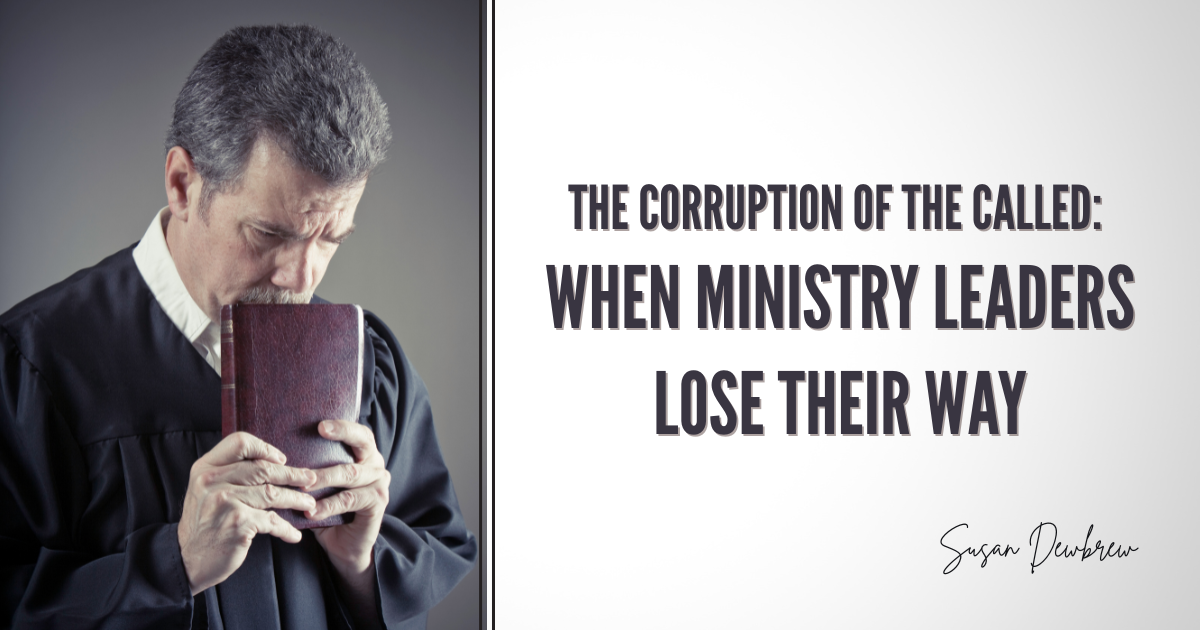
I've always been fascinated by what I call the "generals of the faith"—those men and women throughout history who had genuinely miraculous ministries, people who clearly carried God's power in extraordinary ways. There was no way their charisma or natural abilities could account for the miracles, healings, and supernatural demonstrations that marked their lives.
But as I studied their stories, I discovered something that broke my heart: most of them didn't end well.
These weren't people who started out corrupt or power-hungry. Many began with pure hearts and genuine calls from God. But somewhere along the way, the very power that God had given them became their downfall.
The Pattern of Corruption
What I observed was a consistent pattern: once these leaders began to demonstrate significant spiritual power, the power itself seemed to corrupt them. They started expecting special treatment. They began to believe they deserved privilege. They gradually lost touch with the very people they were called to serve.
The miraculous gifts that were meant to serve others became tools for building their own kingdoms. The authority that was meant to lift people up became a weapon for controlling them. The platform that was meant to glorify God became a stage for glorifying themselves.
It's heartbreaking when you see it happen. These were people who had genuinely touched God, who had been entrusted with His power, who had seen His glory in ways most of us never will. And yet, power without love corrupted them just as surely as it corrupts anyone else.
The Jesus Alternative
But here's what amazes me: Jesus carried more power than any of these leaders ever dreamed of. He could stop storms with a word. He could raise the dead with a command. He could feed thousands with a few loaves and fishes. He could walk on water, calm the seas, and heal every disease.
We're talking about ultimate power—the power to literally reshape reality, to overcome the laws of physics, to conquer death itself.
Yet Jesus was never corrupted. Never. Not once did He use His power for personal advantage. Not once did He demand special treatment because of His abilities. Not once did He use His authority to control or manipulate people.
Why? Because His power was rooted in love, not in position. His authority came from His character, not from His title. His leadership was expressed through service, not through being served.
Jesus said, "The Son of Man did not come to be served, but to serve, and to give His life a ransom for many" (Matthew 20:28, NASB). Even with unlimited power, His heart remained the heart of a servant.
The Root of the Problem
So what's the difference? Why do so many powerful leaders fall while Jesus remained pure?
I believe it comes down to the source of their identity and the structure of their ministry. When your identity becomes tied to your spiritual gifts, when your sense of worth depends on the miracles you can perform, when your platform becomes about building your own kingdom rather than serving God's Kingdom—corruption becomes inevitable.
The problem isn't the power itself. The problem is when power becomes separated from love.
Paul understood this when he wrote, "If I have the gift of prophecy, and know all mysteries and all knowledge; and if I have all faith, so as to remove mountains, but do not have love, I am nothing" (1 Corinthians 13:2, NASB).
Nothing. Not just ineffective. Not just incomplete. Nothing.
The Isolation Factor
One thing I've noticed about fallen leaders is that they often became isolated from authentic relationships. The more powerful they became, the more they were surrounded by people who told them what they wanted to hear rather than what they needed to hear.
They lost friends who would speak truth to them. They lost colleagues who would challenge them. They lost the very relationships that could have kept them grounded and accountable.
Jesus, by contrast, remained connected to real people throughout His ministry. He had friends who questioned Him, disciples who misunderstood Him, family members who thought He was crazy. He never isolated Himself from the messiness of human relationships.
The Platform Trap
Another pattern I've seen is what I call the "platform trap." These leaders often built their ministries around their personal gifts and abilities. They became the center of their own organizations. People came to see them, not just to receive from God.
When that happens, the leader's identity becomes fused with their ministry. They can't separate their personal worth from their public success. They can't distinguish between serving God and building their own reputation.
Jesus avoided this trap completely. He regularly withdrew from the crowds. He often told people not to tell others about the miracles He performed. He consistently pointed people to the Father rather than to Himself.
When people tried to make Him king, He fled. When they wanted to build monuments to His greatness, He talked about His death. He never allowed His ministry to become about building His own platform.
The Entitlement Slide
Perhaps the most dangerous aspect of spiritual power is how it can gradually breed entitlement. It starts small—maybe expecting a little extra honor, a little special treatment, a little more deference from others.
But entitlement is like a cancer. It grows. Soon, the leader expects to be served rather than serving. They expect others to make sacrifices while they enjoy privileges. They expect loyalty without reciprocating faithfulness.
Jesus faced this temptation directly. When the disciples argued about who was the greatest, when James and John wanted special positions in His kingdom, when Peter tried to prevent Him from going to the cross—Jesus had every opportunity to claim special privileges.
Instead, He washed their feet. He told them that whoever wants to be first must be last. He chose the path of humility even when He had every right to demand honor.
The Accountability Vacuum
One thing that strikes me about many fallen leaders is how they gradually removed themselves from genuine accountability. They surrounded themselves with yes-men, dismissed critics as "enemies of the ministry," and created structures where questioning their decisions was seen as spiritual rebellion.
Without real accountability, without people who love them enough to speak hard truths, without structures that prioritize character over charisma, even the most gifted leaders can lose their way.
Jesus modeled a different approach. He submitted to the Father's will even when it meant death. He accepted correction from unexpected sources. He remained teachable even while teaching others.
The Way Forward
So how do we avoid the trap that has ensnared so many spiritual leaders? How do we handle whatever power and authority God gives us without being corrupted by it?
First, we must remember that power is a stewardship, not a possession. Every gift, every ability, every platform is given to us for the benefit of others, not for our own advantage.
Second, we must stay connected to the source of all power—Christ Himself. When we're rooted in His love, when we're drawing our identity from His approval rather than from our performance, we're less likely to be corrupted by the power He gives us.
Third, we must maintain authentic relationships with people who will tell us the truth, even when it hurts. We need friends who knew us before we were "powerful," who love us for who we are rather than for what we can do.
Finally, we must regularly examine our hearts and motivations. Are we serving God's Kingdom or building our own? Are we lifting others up or climbing over them? Are we becoming more like Jesus or more like the world?
The Beautiful Alternative
The tragedy of fallen leaders is that they missed the most beautiful truth of all: the greatest power in the universe is love. Not the power to control, but the power to serve. Not the power to demand, but the power to give. Not the power to be served, but the power to serve.
When we understand this, power becomes a tool for blessing rather than a weapon for control. Authority becomes a platform for lifting others up rather than a ladder for our own advancement. Influence becomes an opportunity to serve rather than a chance to be served.
That's the way of the Kingdom. That's the heart of Christ. That's the power that never corrupts because it's rooted in love.
The generals who fell forgot this truth. But we don't have to. We can choose a different path—the path of servant leadership, of power rooted in love, of authority exercised through service.
That's the way of Jesus. That's the way that leads to life.
And that's the way that ensures we'll finish well.
Blessings,
Susan 😊