
Two Out of Three: The Statistics That Should Terrify the Church
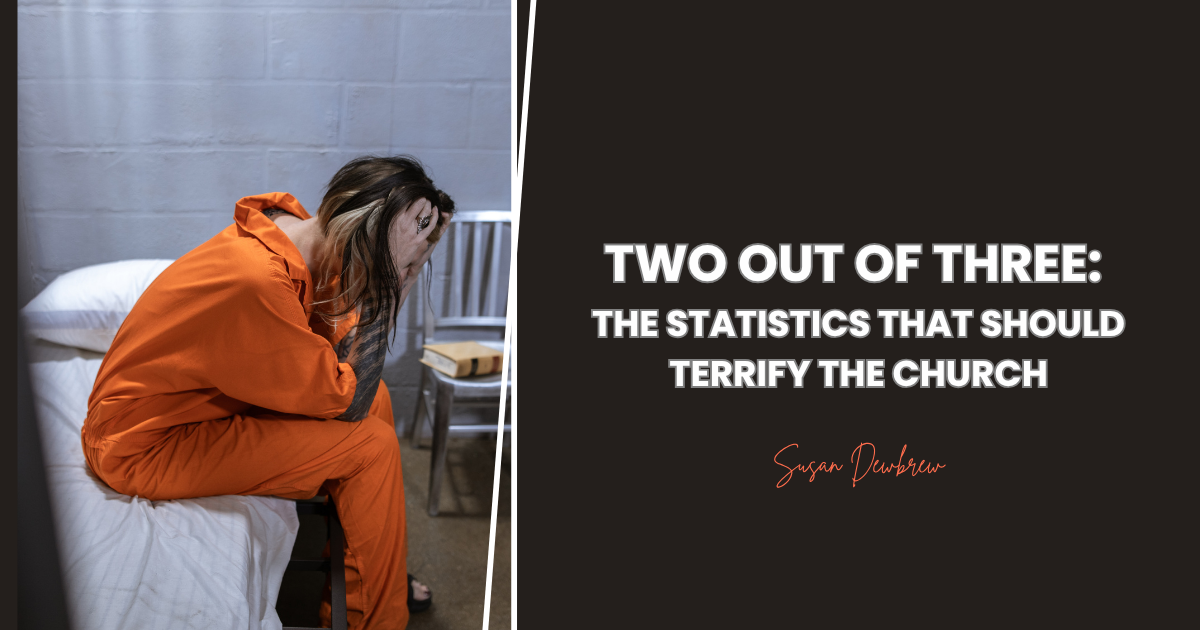
In 2005, researchers conducted a study that should have sent shockwaves through every church, shelter, and courthouse in America. They looked at all the women incarcerated for murder that year and discovered something that reveals the devastating failure of our systems to protect victims of abuse.
Two out of three women in prison for murder—two out of three—had killed someone who had previously abused them.
Let that sink in for a moment. The vast majority of women who committed the ultimate crime weren't random killers or hardened criminals. They were victims who had reached a breaking point after enduring systematic abuse, terror, and violence.
But here's the part that should enrage every person of faith: because of how our legal system works, these women couldn't bring any previous history of abuse into their current case. Their years of torment, their desperate attempts to get help, their documented injuries and police reports—none of it could be mentioned in their defense.
The system that failed to protect them from abuse then failed to understand why they finally fought back.
The Psychology of Survival
What this statistic reveals is something most people don't understand about abuse: it creates a state of constant terror that eventually becomes unbearable. These women weren't vindictive or evil. They were human beings pushed beyond their breaking point by prolonged trauma.
Living with an abuser means living in a state of hypervigilance, always scanning for signs of the next explosion. It means making calculations about survival that most people can't imagine:
If I call the police, will he kill me when they leave? If I try to leave, will he hunt me down? If I stay, will this be the time he goes too far?
The psychology of prolonged abuse is complex. Your nervous system stays in constant fight-or-flight mode. You lose the ability to think clearly because your brain is focused entirely on survival. You become isolated from people who might help because the abuser has systematically cut you off from support systems.
And then, in a moment of desperation—often when trying to protect children or when the abuse escalates to life-threatening levels—you fight back. Not because you planned to, but because every instinct for survival kicked in at once.
The Dangerous Time: When Leaving Becomes Deadly
One of the most important things people need to understand about domestic violence is this: the most dangerous time for a victim is when they're trying to leave. This isn't just anecdotal—it's documented fact. Homicide risk increases dramatically during separation.
Why? Because leaving represents the ultimate loss of control for the abuser. If they can't have you, they'll make sure no one else can either. The final act of control becomes destruction.
This is why I always tell women who are planning to leave: please have a plan. Please get help. Please don't try to do it alone. The statistics I mentioned at the beginning—domestic violence as a leading cause of death for women—those deaths often happen during or shortly after attempts to leave.
Shelters exist for this reason. Domestic violence advocates understand these dynamics. Safety planning isn't paranoia—it's wisdom based on tragic experience.
The Church's Dangerous Response
But here's what breaks my heart: instead of understanding these dynamics and working to prevent them, too often the church becomes part of the problem.
How many times have we heard:
"You need to try harder to save your marriage"
"God can change his heart if you just pray more"
"Submission means enduring hardship"
"Think about the children—they need their father"
These responses, though well-intentioned, can be deadly. They keep women in dangerous situations longer, increasing the likelihood that violence will escalate. They prioritize the appearance of intact families over the actual safety of vulnerable family members.
I stayed in my abusive marriage far longer than I should have, partly because I believed the lie that staying was better for my children. The damage done to them by witnessing and experiencing that environment is something I deeply regret.
I was under the delusion that a broken home would be the worst thing for my kids. But they weren't living in an intact home—they were living in an abusive home. There's a profound difference.
What the Numbers Really Mean
When I look at that statistic—two-thirds of women in prison for murder were defending themselves against abusers—I see system-wide failure:
Legal System Failure: Laws that prevent abuse history from being considered in self-defense cases. Inadequate protective orders. Police who don't take domestic violence seriously.
Social System Failure: Communities that turn away from obvious signs of abuse. Friends and family who encourage women to "stick it out" or "try harder."
Religious System Failure: Churches that use Scripture to trap women in dangerous situations rather than offering refuge and support.
Support System Failure: Insufficient shelters, underfunded programs, long waiting lists for services.
Every woman who killed in desperation represents multiple points where the system could have intervened but didn't. Every death could have been prevented if we took domestic violence seriously before it reached crisis levels.
The Church's Biblical Mandate
Scripture is clear about our responsibility to protect the vulnerable. Isaiah 1:17 commands us to "seek justice, correct oppression; bring justice to the fatherless, plead the widow's cause" (ESV). Psalm 82:3 tells us to "Give justice to the weak and the fatherless; maintain the right of the afflicted and the destitute" (ESV).
When we use Bible verses about marriage and submission to keep women trapped in abusive situations, we're not being faithful to Scripture—we're violating its most fundamental principles.
Jesus consistently protected the vulnerable and confronted those who abused power. He had harsh words for religious leaders who "tie up heavy burdens, hard to bear, and lay them on people's shoulders, but they themselves are not willing to move them with their finger" (Matthew 23:4, ESV).
How different would that statistic look if the church became known as the place where abuse victims found safety instead of judgment? Where abusers found accountability instead of enablement? Where families found healing instead of harmful advice to just "try harder"?
Becoming Part of the Solution
The statistic that two-thirds of women murderers were abuse victims should drive every church to action. Here's what we need to do:
Education: Learn to recognize signs of abuse in all its forms. Understand the dynamics of domestic violence so we can respond appropriately.
Safe Spaces: Create environments where people can share what's really happening at home without fear of judgment or simplistic advice.
Proper Resources: Connect with local domestic violence organizations. Have hotline numbers available. Know how to help someone create a safety plan.
Accountability: Stop enabling abusers by making excuses for their behavior. Require real change, not just promises to do better.
Legal Understanding: Support laws that protect victims and hold abusers accountable. Understand that sometimes the most loving thing is helping someone leave safely.
Children's Welfare: Recognize that children are always harmed by domestic violence, even when they're not directly targeted. Their safety must be the priority.
Hope in the Darkness
Despite these sobering statistics, I want to end with hope. Every person who gains understanding about abuse dynamics is one more potential lifeline for someone in danger. Every church that commits to protecting the vulnerable is one more safe haven. Every law that better protects victims is progress.
I think about my own journey—from that terrifying first marriage to the beautiful, mutual partnership I have with Gregory now. Healing is possible. Freedom is possible. Healthy love exists.
But it requires that we stop pretending abuse isn't happening in our churches, our communities, our families. It requires that we become people who protect the vulnerable rather than protecting our own comfort or reputation.
Those statistics don't have to stay the same. We can do better. We must do better.
Because behind every number is a woman who was someone's daughter, someone's mother, someone beloved by God. She deserved protection. She deserved justice. She deserved a community that valued her life more than appearances.
We owe it to them—and to the women currently living in fear—to become the church we're called to be: a refuge for the oppressed, a voice for the voiceless, a place where God's Kingdom values of justice and mercy become reality.
The time for excuses is over. Lives are literally depending on us getting this right.
Blessings,
Susan 😊